

Countdown to the return of darkness: Clocks to be set back by an hour soon
97 Repoter: 97 Admin
Publish : 6 hours agoUpdate: 2 hours ago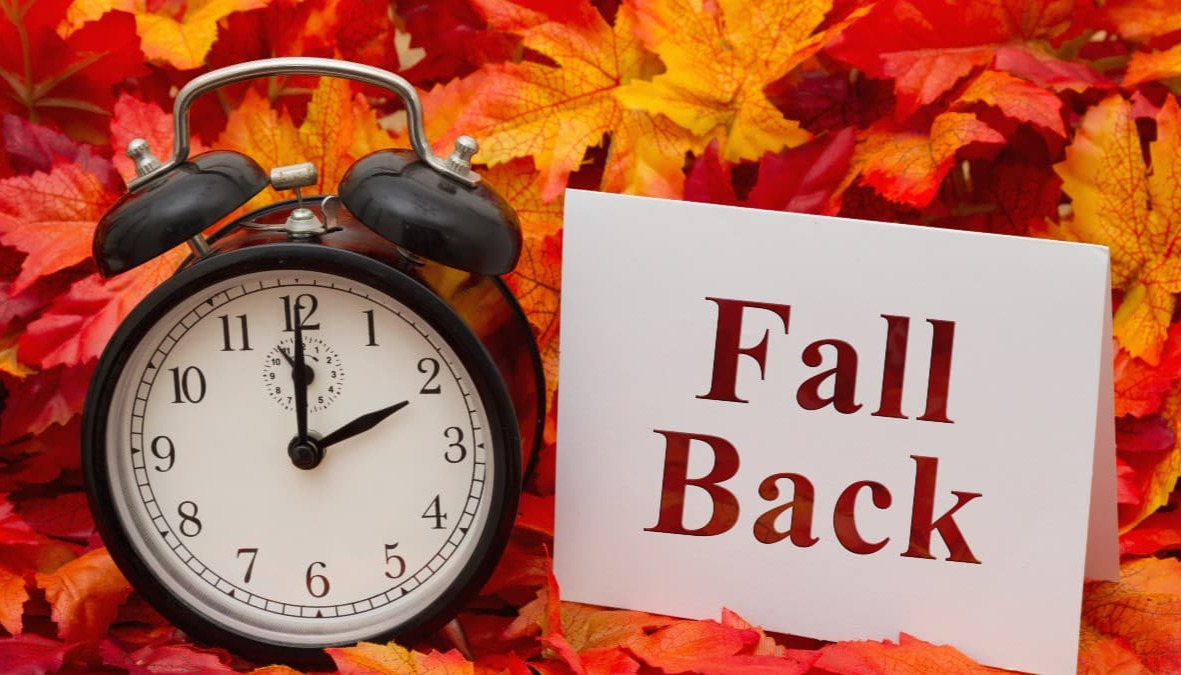
Countdown to the return of darkness: Clocks to be set back by an hour soon
Countdown to the return of darkness: Clocks to be set back by an hour soon
As autumn draws to a close and winter approaches, a much-discussed shift is set to take place in the Western world: days will begin to grow shorter, and nights will become longer. On Sunday, November 1st, ‘Daylight Saving Time’ (DST) will come to an end. Consequently, people in the United States, Europe, and various other parts of the world will need to set their clocks back by one hour—a process often referred to as ‘falling back.’
At 2:00 AM on Sunday, clocks will be turned back to 1:00 AM. While this offers the benefit of an extra hour of sleep in the morning, it also means that daylight will fade much sooner in the afternoon; by the time 5:00 PM arrives, the surroundings will already be shrouded in deep darkness.
What is Daylight Saving Time, and why does it exist?
This system was first introduced during the First and Second World Wars to conserve fuel and electricity by making better use of natural sunlight. During the summer, when days are longer, clocks are set forward by one hour (‘springing forward’) to allow people to take advantage of evening daylight for longer periods. As winter approaches, the clocks are set back by one hour to return to standard time (‘falling back’). However, medical experts believe that these time shifts can have a significant impact on both physical health and daily routines.
The impact of these changes on physical and mental health
According to research from world-renowned institutions—including Stanford University—adjusting the clocks twice a year disrupts the human body’s natural biological clock, or ‘circadian rhythm.’
Sleep disruption: Even a one-hour shift can cause significant sleep disturbance, which may take several days to recover from.
Risk of heart disease: Evidence suggests that following these time changes, individuals may experience increased irritability, higher blood pressure, and even an elevated risk of heart disease.
Road accidents: Due to heightened fatigue, the rate of road accidents tends to increase in the days immediately following the time change. Calls for Abolition, Yet Legal Hurdles Remain
There has been a long-standing debate in the United States regarding the practice of shifting clocks twice a year. Although a proposal to permanently end this practice—the "Sunshine Protection Act"—has passed in the U.S. House of Representatives, it remains stalled in the Senate. Consequently, until the law is changed, most U.S. states (with the exception of Hawaii and Arizona) will continue to follow this practice this year.
On the morning of November 1st, while millions of people in Western nations will enjoy an extra hour of sleep, they will also have to adjust to a schedule that brings earlier, gloomier sunsets.
Doomsday Clock | Will the World End in 2026? A Clock That Measures How Close We Are to Catastrophe
This video explores the "Doomsday Clock"—a symbolic timepiece representing the risks facing humanity's future—offering insight into the significance of time and its global implications.