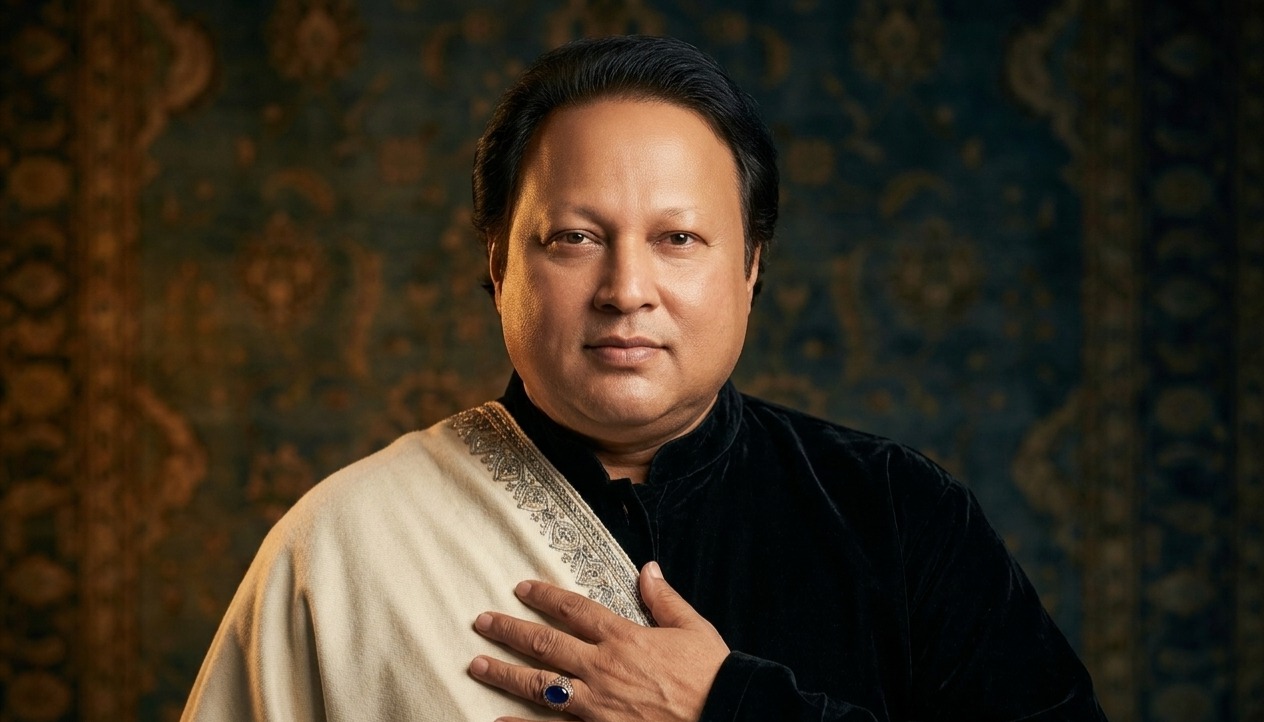

The pull of music remained undiminished even amidst illness—a look at the final days of Nusrat Fateh Ali Khan.
97 Repoter: 97 Admin
Publish : 3 hours agoUpdate: 1 hour ago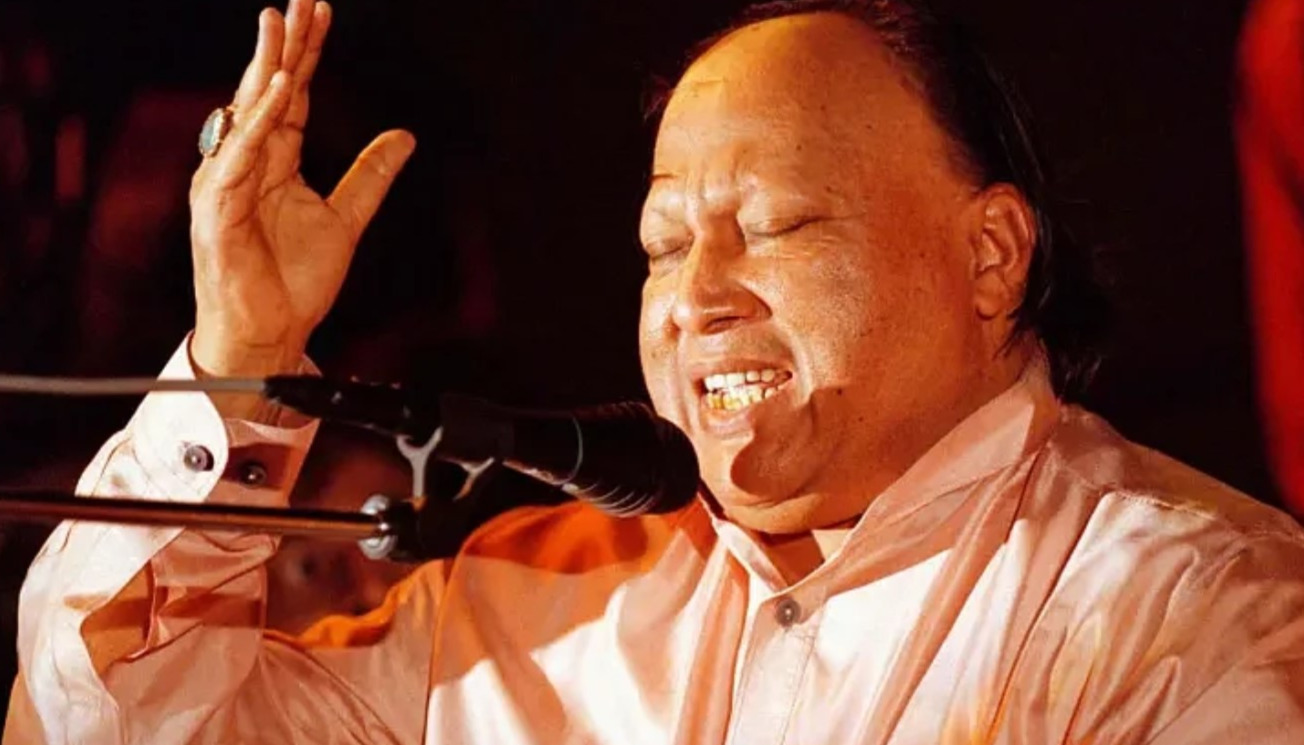
The pull of music remained undiminished even amidst illness—a look at the final days of Nusrat Fateh Ali Khan.
The pull of music remained undiminished even amidst illness—a look at the final days of Nusrat Fateh Ali Khan.
He captivated millions of listeners worldwide with the melodies of Qawwali. His voice gave a new dimension to Sufi music. Transcending the borders of Pakistan, his songs resonated across the globe, and he collaborated seamlessly with Western musicians. Yet, the life of the legendary Qawwali singer Nusrat Fateh Ali Khan came to an end at the age of just 48.
The artist passed away on August 16, 1997, at Cromwell Hospital in London. He had been critically ill during his final days. Despite suffering from severe kidney and liver complications, his love for music kept him engaged; even in his final moments, he was contemplating new musical projects.
Musical Commitments Amidst Illness
Nusrat Fateh Ali Khan possessed an extraordinary ability to perform Qawwali for extended periods. He mesmerized audiences with his vocal range, command over rhythm, and the intensity of his performances. However, towards the end of his life, his health began to fail him. He was undergoing treatment for kidney issues and required regular dialysis. Nevertheless, the artist could not bring himself to step away from his musical commitments.
Pakistani musician Salman Ahmed met him about a month before his death. In an interview with Al Jazeera, Salman recalled that seeing Nusrat that day gave him the impression that the artist was unwell; despite his critical illness, he remained incredibly busy.
Salman felt that Nusrat needed to take some time to rest, but that break never happened. Within a few weeks, his physical condition deteriorated. He was taken to London for medical treatment, where he passed away while under care at Cromwell Hospital.
Plans to Seek Treatment in the United States
Nusrat was scheduled to travel to the United States for medical treatment in August 1997. Along with addressing his kidney complications, a kidney transplant was also being considered. However, his health declined before he could reach his destination.
He had made a stopover in London en route to the United States. When his condition worsened there, he was admitted to Cromwell Hospital on August 9. In addition to kidney complications, doctors also reported liver problems; he was also suffering from diabetes and hepatitis.
Deteriorating condition at dawn, passing in the morning
In the early hours of August 16, Nusrat's condition worsened further. According to a report published in the Pakistani newspaper *Dawn* on August 17, 1997, his condition began to deteriorate around 4:00 AM that day. He was subsequently moved to the hospital's intensive care unit.
Doctors fought to save him but were ultimately unsuccessful. According to the *Dawn* report, he passed away at 11:57 AM. Kidney and liver complications were cited as the causes of his death.
At the time of his passing, Nusrat was accompanied by his manager, Haji Iqbal Naqvi, former Pakistani cricketer Javed Miandad, and several acquaintances. News of his death cast a pall of gloom over the music world.
Thoughts on a new album even before his death
His nephew and fellow musician, Rahat Fateh Ali Khan, has shared memories of Nusrat's final days. These recollections were cited in a report by *The Nation* published in 2025.
According to Rahat, Nusrat appeared somber and anxious as he set off by car for the airport to travel to the United States. Yet, thinking of a new album, he played recordings from it during the journey.
Amidst physical illness and the uncertainty of medical treatment, music remained at the core of his thoughts. This dedication to his craft until the very last moments of his life highlights a unique facet of Nusrat Fateh Ali Khan's artistic spirit.
In a life spanning just 48 years, he introduced Qawwali to international audiences in a whole new light. Though his voice has fallen silent, he left behind a musical legacy that continues to captivate listeners to this day.
Sources: The Independent, Los Angeles Times, and Al Jazeera