
India Could Earn $20–30 Million, While West Indies Get Nothing, Says CWI Chief
97 Repoter: 97 Admin
Publish : 3 hours agoUpdate: 41 minutes ago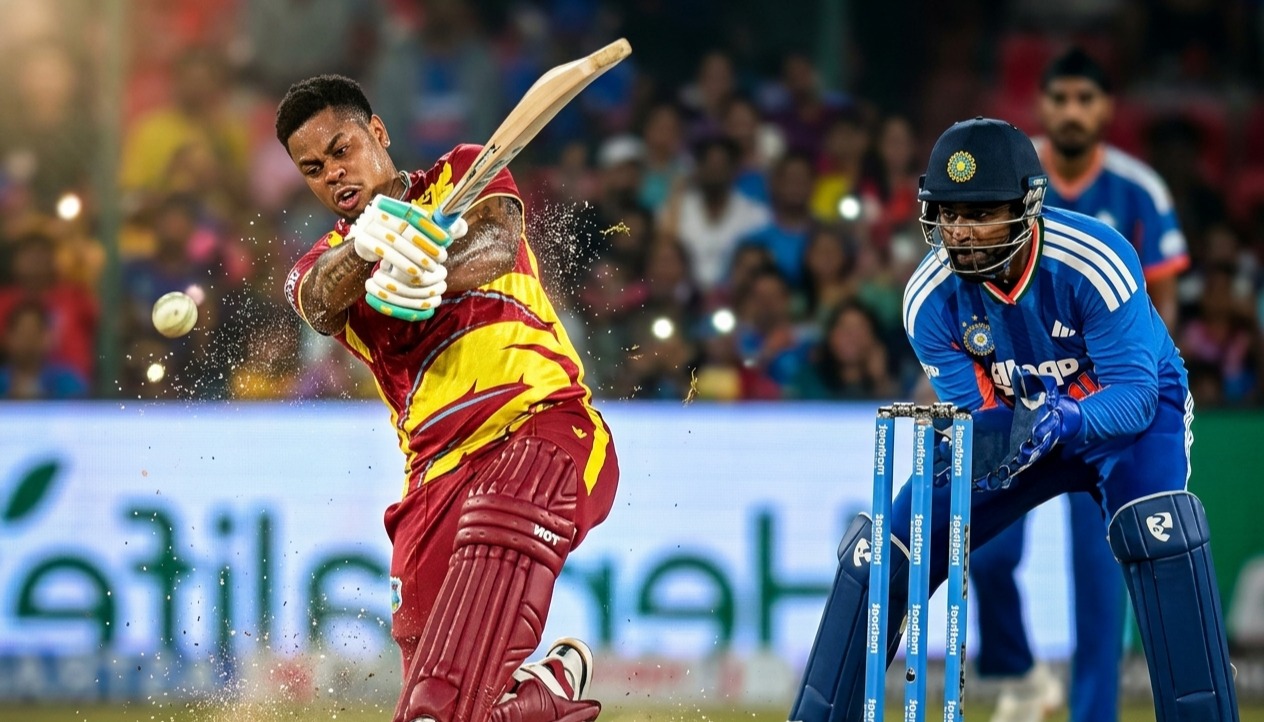
India Could Earn $20–30 Million, While West Indies Get Nothing, Says CWI Chief
India Could Earn $20–30 Million, While West Indies Get Nothing, Says CWI Chief
India and the West Indies have been evenly matched on the field, with the teams winning two games each in the first four matches of their five-match T20I series. Financially, however, the picture is very different.
Cricket West Indies (CWI) chief executive Chris Dehring has said the Board of Control for Cricket in India (BCCI) could generate between $20 million and $30 million from the series hosted in India, while West Indies cricket receives no direct revenue from it.
Speaking to Anjali Doshi on The Scoop, Dehring highlighted the financial imbalance in bilateral cricket, particularly the way broadcasting revenue is distributed between host and touring teams.
He stressed that the situation was not necessarily a case of India deliberately withholding money from the West Indies. Instead, he attributed the disparity to the existing financial structure of international cricket.
The 1997 Decision That Changed Cricket Revenue
Dehring traced the roots of the issue to a change in the financial model of international cricket in 1997.
According to his account, touring teams previously received a set payment or tour fee from the host country. For West Indies, such payments could often be worth more than the revenue the board might generate by hosting a series across the Caribbean.
Under the revised model, host boards gained the right to retain the broadcasting revenue generated by bilateral series. Dehring said that nine of the 10 ICC member countries voted in favour of the change.
He believes the decision had serious consequences for West Indies cricket because tour fees had been an important source of income for the regional board.
India's Huge Market and the Caribbean's Limitations
Dehring used the contrast between India's enormous audience and the Caribbean's smaller markets to explain the financial gap.
India's large population and substantial broadcasting market create greater commercial opportunities for bilateral cricket. By comparison, generating similar revenue across Caribbean territories with much smaller populations is considerably more difficult.
As a result, the host nation and the touring team can benefit very differently from the same series. A host board can retain revenue from broadcasting rights and related commercial agreements, while the visiting board may receive no comparable share under the current arrangement.
The disparity highlights how a country's market size can influence the financial benefits it receives from international cricket, beyond what happens on the field.

Financial Pressure on West Indies Cricket
Cricket West Indies has faced financial challenges for years and has taken steps to reduce costs, according to the report.
These measures include a reported 25% reduction in payments to international players and a reduction in the duration of central contracts for domestic players to seven months.
Dehring's comments have renewed discussion about whether the existing financial model of bilateral cricket offers sufficient support to boards operating in smaller markets.
While India and the West Indies continue to compete closely on the field, the financial contrast between the two boards highlights a broader issue in international cricket: how broadcasting revenue is generated and distributed among participating nations.